
Top Foundation Repair Products For Restoring Structural Integrity
Learn about the most effective foundation repair options to stabilize and strengthen your home’s foundation for lasting peace of mind.
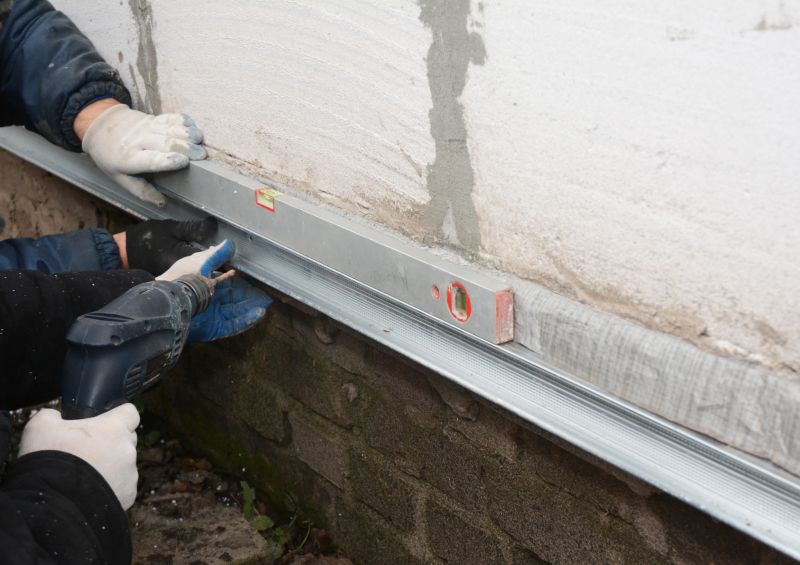 Foundation repairs are an essential aspect of maintaining the stability and safety of a structure, especially in areas like Cedar Falls, IA, where soil conditions and weather patterns can impact foundational integrity. When considering foundation repair products, it is important to understand the variety of solutions available, each designed to address specific issues such as settling, cracking, or shifting. These products can range from simple repair kits to advanced underpinning systems, offering options suitable for different severity levels and structural requirements.
Top Overall Option
Concrete Pier and Beam Support System
A concrete pier and beam support system provides a stable foundation base by elevating and supporting the structure on reinforced concrete piers. This system is versatile and can be customized to suit various foundation types and soil conditions, offering a durable solution for addressing settling or shifting issues. Proper installation ensures effective load distribution and long-term stability, making it a popular choice for both residential and commercial properties. Regular inspection and maintenance can help maximize its performance in maintaining structural integrity over time.
Types of Products For Foundation Repairs
Hydraulic Push Piers
Hydraulic push piers are driven into the ground to lift and stabilize a sinking foundation, suitable for deep soil conditions and significant settlement issues.
Helical Piers
Helical piers are screwed into the soil to provide support and can be used to stabilize foundations with varying load requirements.
Slab Jacking and Mudjacking
This method involves injecting a slurry beneath a concrete slab to lift and level it, ideal for minor settling in concrete surfaces.
Epoxy and Sealant Injections
Epoxy injections seal cracks and restore the structural integrity of concrete elements, often used for minor cracks and surface repairs.
Underpinning Systems
Underpinning involves extending the foundation depth or width to provide additional support, suitable for serious foundation issues.
Steel Push Piers
Steel push piers are driven into the ground to lift and stabilize foundations, offering a strong support option for various soil conditions.
Soil Stabilization Products
These products improve soil compaction and stability around the foundation, reducing future settlement risks.
Carbon Fiber Reinforcement
Carbon fiber strips are used to reinforce cracked or bowed walls, providing additional strength without extensive excavation.
Foundation Anchors
Anchors are installed to stabilize wall movement due to lateral pressure, often used in basement or crawl space walls.
Grout and Resin Injection Systems
These systems are used to fill voids and stabilize soil or concrete, helping to prevent further shifting or cracking.
Vibratory Compaction Equipment
This equipment compacts soil around the foundation to improve load-bearing capacity and reduce settlement risks.
Drainage and Waterproofing Products
Proper drainage solutions help divert water away from foundations, reducing the risk of water-related damage.
Basement Wall Supports
Supports and braces for basement walls help prevent bowing and cracking due to lateral pressure.
Crack Repair Kits
Complete kits for sealing and repairing cracks in concrete or masonry walls, suitable for DIY projects.
Foundation Inspection Tools
Tools such as laser levels and moisture meters assist in assessing foundation conditions before repairs.
Popular Choices
Widely used for stabilizing sinking foundations, these piers are driven into the ground to lift and support structures.
Versatile support systems that can adapt to different soil types, often chosen for their ease of installation.
Cost-effective solutions for leveling concrete slabs, commonly used in driveways and patios.
Effective for sealing cracks and restoring surface integrity in minor foundation issues.
Popular for their strength and durability, these piers provide reliable support for various foundation problems.
A common choice for serious foundation settlement, providing additional support and stability.
Used to improve soil conditions around the foundation, helping prevent future movement.
Popular for quickly reinforcing cracked walls without extensive demolition.
Effective in directing water away from foundations, reducing moisture-related issues.
Convenient for DIY repairs of small cracks in concrete or masonry walls.
Choosing the right foundation repair products involves evaluating the condition of the foundation, the type of soil, and the extent of damage. For minor cracks or superficial issues, sealants and epoxy injections may suffice, providing a cost-effective way to prevent further deterioration. More significant problems, such as uneven settling or large cracks, often require more robust solutions like pier systems or helical push piers that can stabilize and lift the foundation.
Proper installation and the quality of materials are crucial for long-lasting results. It is recommended to consult with foundation repair specialists who can assess the specific needs of a property and recommend appropriate products. Regular inspections and maintenance can also help identify early signs of foundation issues, allowing for timely intervention with suitable repair products. By selecting the right solutions, homeowners and property managers in Cedar Falls can help preserve the value and safety of their structures over time.
Key Buying Considerations
- Assess the severity and type of foundation issue to determine suitable repair products.
- Consider the soil conditions and how they influence the choice of stabilization methods.
- Evaluate the load-bearing requirements of your structure when selecting support systems.
- Check the compatibility of repair products with existing foundation materials.
- Ensure proper installation procedures are followed, preferably by experienced professionals.
- Review the longevity and durability of the repair materials used.
- Factor in the potential need for future inspections or ongoing maintenance.
- Understand the costs involved, including installation and potential additional repairs.
- Look for products that are designed for your specific foundation type (slab, crawl space, basement).
- Verify the warranty and service support offered by manufacturers or contractors.
- Consider the environmental conditions, such as moisture levels and drainage, that may affect repairs.
- Review safety guidelines and certifications related to the repair products.
- Determine if the product can be integrated with existing structural elements.
- Assess the ease of use, especially for DIY repair kits, if applicable.
- Consult with foundation repair specialists to get tailored recommendations.